
Water Damage Restoration in Cathedral City, CA
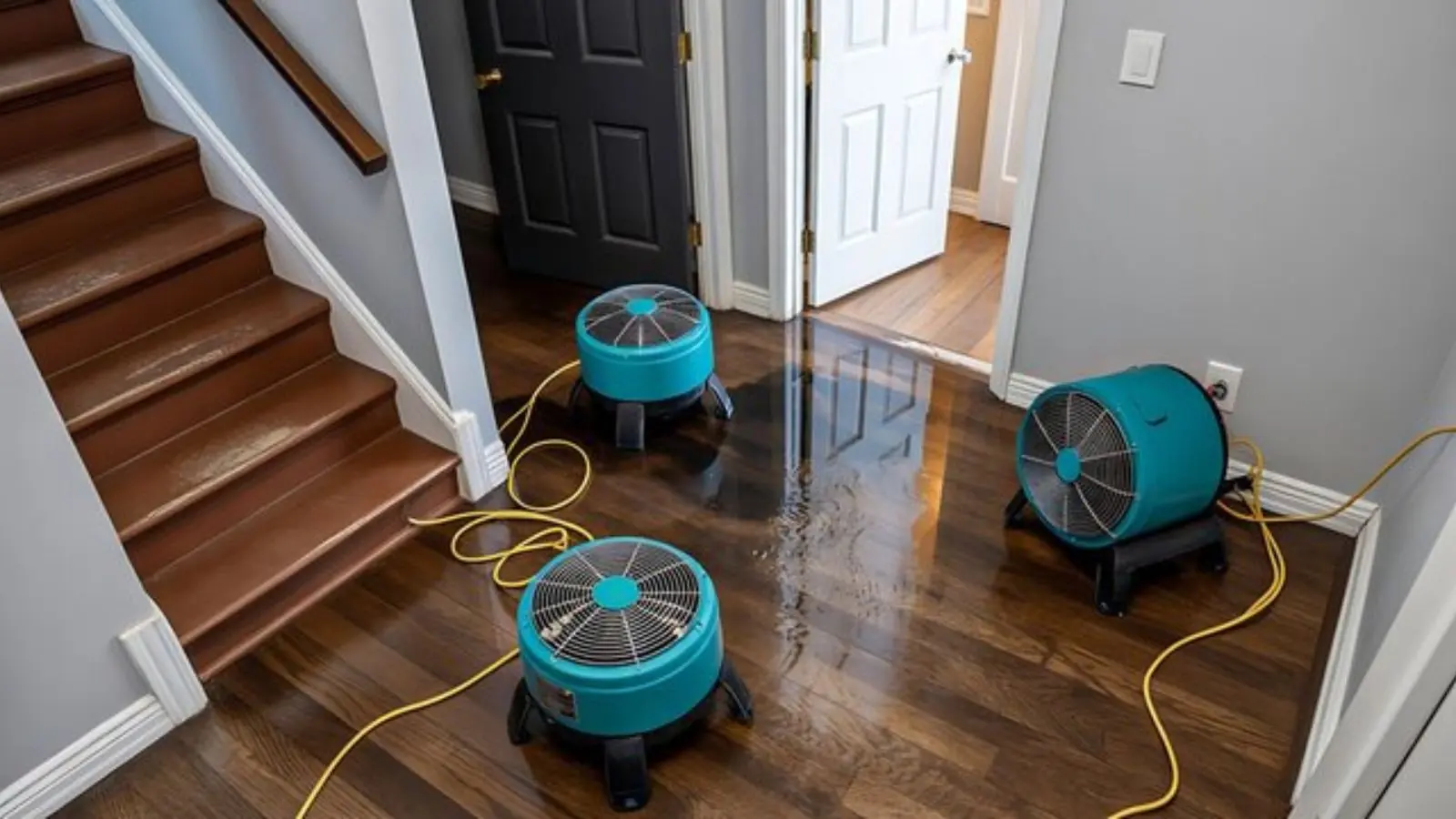
Water damage restoration is the work of stopping the water, drying the structure and rebuilding what moisture harmed. Cathedral City Water Damage Pros runs a 24/7 emergency line for homes and businesses in Cathedral City, Riverside County, and in nearby Palm Springs, Rancho Mirage, Desert Hot Springs, Palm Desert and Thousand Palms.
- Licensed and insured
- Scope and price explained before work starts
- Same-day response when available
Cathedral City service snapshot
Active water or mold damage right now?
Our emergency line is answered 24 hours a day, every day of the year.
Water damage services in Cathedral City
Emergency Water Removal in Cathedral City
Standing water in a room, a burst pipe or a flooded garage. Pumps start the drying clock.
Water Mitigation in Cathedral City
Wet walls and soaked carpet after the water stops. Meters, imaging and air movers stop the hidden spread.
Water Damage Cleanup in Cathedral City
Debris, ruined materials and odors once the water is out. Sanitizing before anything is rebuilt.
Flood Damage Restoration in Cathedral City
Mud, storm runoff and sewage backups where the water carries contamination into the home.
Water Damage Repair in Cathedral City
Drywall, insulation, flooring and paint put back after readings show the structure is dry.
Mold Remediation in Cathedral City
A musty smell or dark spots after a leak that stayed wet. Containment, removal and clearance.
If water is spreading right now
The first hour decides how much of the building stays dry. These four steps are safe for most homes while you wait for a crew, and the dispatcher can talk you through them on the call.
Stop the source
Close the main water valve if the water comes from plumbing. If you are unsure where the valve is, ask the dispatcher to walk you through it.
Think power first
Stay out of water that touches outlets, appliances or the panel. Cut power at the panel only if the panel is dry and safe to reach.
Lift what you can
Move small valuables, papers and electronics off wet floors. Leave heavy furniture alone until a crew has looked at it.
Call the 24/7 line
Tell dispatch where the water is, how far it has spread and whether it looks clean, discolored or like sewage.
From first call to restored
Call dispatch
Describe the damage at any hour. Scope and price are explained before work starts.
Assessment
A crew checks the source, the water category and the materials with moisture meters and thermal imaging.
Mitigation
Extraction, drying equipment and removal of materials that cannot dry start the same visit when the loss calls for it.
Restoration
Drywall, insulation, flooring and paint are rebuilt once readings show the structure is dry.
Each stage ends with documentation. A [[/water-mitigation|water mitigation]] crew keeps a drying log, and your repair scope follows from the moisture readings rather than from guesswork. If the water was contaminated, [[/water-damage-cleanup|water damage cleanup]] removes and sanitizes affected materials before anything is rebuilt.
What drives the cost of a water loss
No honest company can name a price for a loss it has not seen. These five factors set the number, and your crew explains how each applies to your property before work starts.
| Cost factor | Why it changes the job |
|---|---|
| Water category (clean, gray or black) | Contaminated water means more materials come out and sanitizing is added |
| Area and number of rooms affected | More wet surface needs more equipment and more drying days |
| Materials involved | Drywall, carpet pad and insulation behave differently from tile, concrete or solid wood |
| Drying time and equipment | Air movers and dehumidifiers run until daily readings reach dry reference values |
| Rebuild scope | Replacing drywall, flooring, cabinets and paint is a separate stage from drying |
Want your real number? Describe the damage on the call and the dispatcher will explain what the assessment covers. For rebuild work after drying, [[/water-damage-repair|water damage repair]] is the stage priced separately.
Documentation your adjuster can use
Clear paperwork for any claim
Sudden and accidental water damage, such as a burst pipe, is often covered by a homeowners policy. Gradual leaks and neglect often are not, and flood damage is usually excluded and needs separate flood coverage. Check your policy or ask your insurer.
The California Department of Insurance advises homeowners to report damage promptly, keep a log of calls and correspondence, make temporary repairs to prevent further damage and be wary of early offers that require releasing further claims. Our crews take photos, moisture readings and a written scope so your adjuster has clear documentation. For large losses, that paperwork matters even more.
Water damage in Cathedral City: what the record shows
Cathedral City gets only about 4.85 inches of rain in an average year, mostly in winter, so a storm lands on dry ground and runs fast. The remnants of Rachel crossed the valley on October 11, 2026, and most of it got more than an inch of rain. Public Works crews set out barricades overnight, Ramon Road collected standing water and one westbound stretch of Dinah Shore Drive was closed.
If you call during a storm, give dispatch your cross streets, because the best route to you may not be the usual one.
The valley has seen worse before. During the Valentine's Day flood of 2019, the Cathedral Canyon low-water crossing lost its two northbound lanes and Cathedral Canyon Drive stayed closed for more than a month. A flood in August 1946 changed the rock formations of Cathedral Canyon itself, the feature that gave the city its name.
The lesson for a homeowner is simple: check the FEMA flood map for your address and ask your insurer about flood coverage, because standard policies usually exclude flood.
Summer is the other pressure point. The mean July high is about 107.6 F, so air conditioners run hard for months and condensate lines and drain pans become a common leak source above ceilings. Repairs after any loss may need a permit, so ask the Building and Safety Division at 68700 Avenida Lalo Guerrero before you rebuild.
Mold after water damage
Water that stays in a wall, ceiling or closet for more than a couple of days can feed mold. If you smell mustiness after a leak, or see dark spots on a wall or ceiling corner, read about mold remediation. Mold needs moisture, so the water source is fixed first, and testing and removal follow ANSI/IICRC S520. Health questions belong to a physician.
Serving Cathedral City and nearby towns
Our home base is ZIP 92234 in Cathedral City, and the line also serves nearby towns. Palm Springs (ZIP 92262 and 92264) and Rancho Mirage (ZIP 92270) border the city along Highway 111. We also work in Desert Hot Springs (ZIP 92240 and 92241), Palm Desert (ZIP 92260 and 92211) and Thousand Palms (ZIP 92276). The service area page lists them all.
Water damage questions answered
Do you handle water damage emergencies at night or on weekends in Cathedral City?
Yes. The emergency line is open 24 hours a day, every day of the year, and calls are answered at night, on weekends and on holidays. We send crews with same-day response when available, but we do not promise a fixed arrival time, because road closures after a storm and the size of the loss both change how fast a crew can reach you.
While you wait, shut off the water at the main valve if the source is plumbing, keep people and pets out of the wet area and lift small valuables off the floor.
What does water damage restoration include?
It starts with stopping the source and removing standing water with pumps and extraction units. Next comes moisture mapping with meters and thermal imaging, then drying with air movers and LGR dehumidifiers until the readings match dry reference material.
Cleanup of affected materials and antimicrobial treatment follow when the water was contaminated. Rebuilding covers drywall, insulation, flooring and paint. Scope and price are explained before work starts, so you know which of these steps your loss needs.
How long does drying take?
It depends on the amount of water, the materials that got wet and the readings the crew takes each day. Wall cavities, insulation and subfloors dry far more slowly than a surface that only looks wet, even in a dry desert climate.
A crew checks moisture levels on each visit and removes the equipment only when the readings show the structure is dry. That log is also useful paperwork for your insurer.
Is water damage restoration the same as waterproofing?
No. Restoration deals with water that has already entered the building. Waterproofing and foundation work aim to keep water out in the future, and that is a different trade. If a restoration crew finds that water keeps coming in from the same spot, we will tell you so you can bring in a contractor for the cause.
Can I rent air movers and dehumidifiers and dry the house myself?
You can rent equipment, but placement and monitoring are what make drying work. Air movers aimed at the wrong surface can push moisture into wall cavities, and without daily readings you cannot tell when a wall is truly dry.
Our crews bring the drying equipment as part of the job and we do not list equipment rental as a service.
Will you work with my insurance adjuster?
We document the loss with photos, moisture readings, drying logs and a written scope so your adjuster has clear paperwork. We cannot promise how a claim will be decided, and we do not bill insurers directly. Read your policy or ask your insurer what it covers, and report the damage promptly.
Damage spreading right now?
Call now. Same-day response is available when crews are free, and the line never closes.
Call (760) 769-1159