
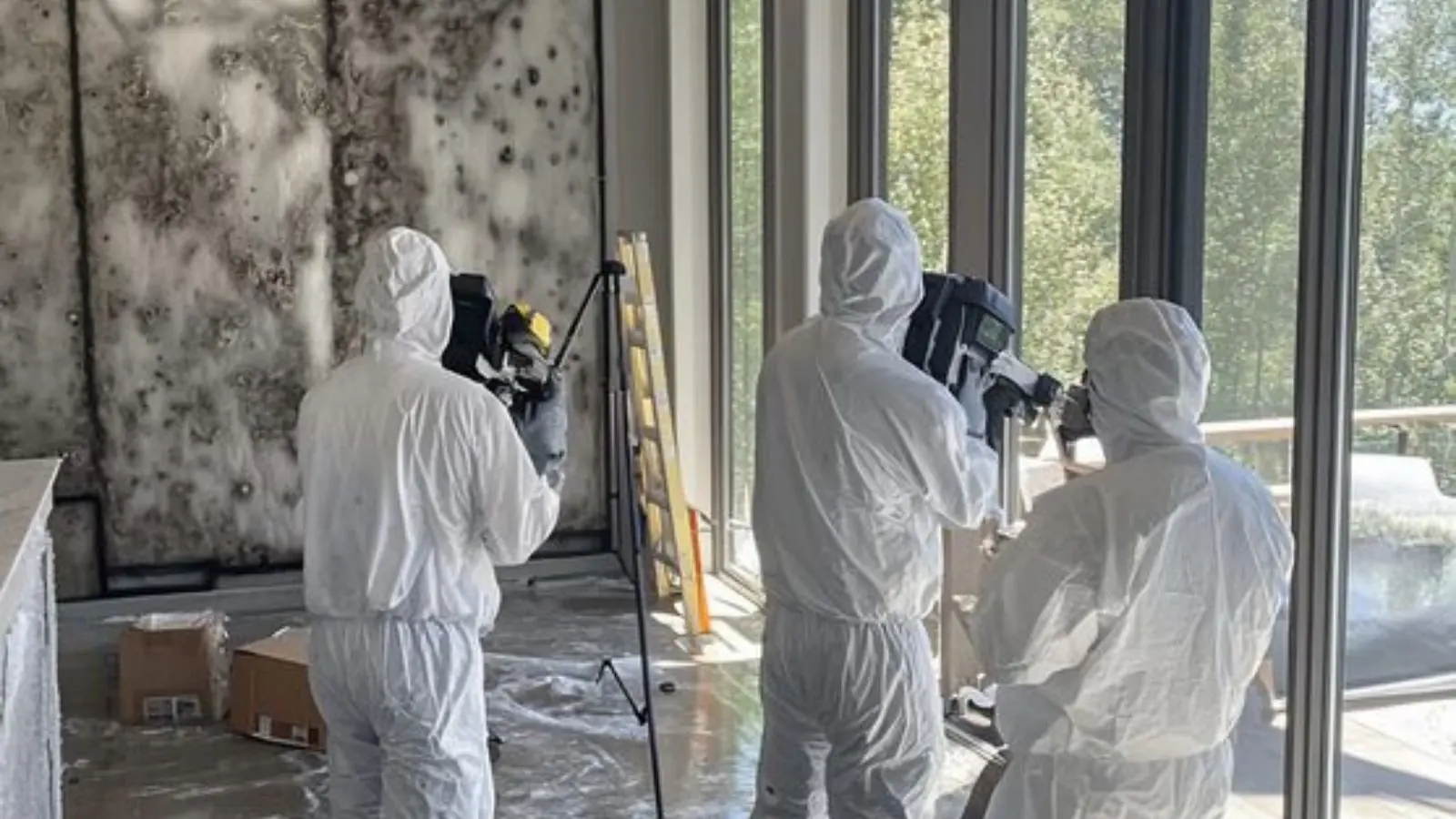
Why two mold quotes can look so different
Mold remediation cost depends on how much area is affected, what materials it is growing on, how it must be contained, and what has to be tested and rebuilt afterward. A closet wall and a whole attic are different jobs, even if both say mold on the invoice. We list factors here rather than dollar figures because a number without an inspection is a guess.
| Factor | What changes | Effect on scope |
|---|---|---|
| Size of the area | Square footage and number of rooms | More area means more labor, containment and disposal |
| Hidden growth | Behind walls, under flooring, above ceilings | Opening walls adds demolition and rebuild |
| Material | Drywall, framing, insulation, ductwork | Porous materials are removed, solid framing is cleaned |
| Containment | Plastic barriers, negative air, HEPA filtration | Tighter containment adds equipment and setup |
| Water source | Leak, condensate line, roof | The source must be repaired or growth continues |
| Testing | Pre-work assessment and independent clearance | Adds a separate step and a separate fee |
| Rebuild | Drywall, paint, flooring, trim | Often a separate scope from the removal |
Size of the area and what is hidden behind it
Visible spots tell you where mold surfaced, not where it stopped. Growth often continues inside the wall cavity, under baseboards or above a ceiling, where moisture lingers. A technician uses a moisture meter and thermal camera to find the wet edges before deciding how much material to open.
A leak behind a bathroom wall that was caught early may need a small opening and a short stretch of containment. The same leak left for months can reach insulation, framing and the floor system. The time between the water and the first phone call is one of the biggest hidden factors.
Scope grows when readings show the damage runs farther than it looks. It can also shrink when readings show a small, dry, contained area.
An occupied home adds its own factors. Furniture has to be moved or wrapped, access to tight attics or crawl spaces takes longer, and rooms that cannot be sealed off need more careful containment. None of that shows from the front door, which is another reason for an in-person look.
Water still spreading? The emergency line is open 24 hours a day.
Call (760) 769-1159How to read a mold quote line by line
A usable quote lists what is being removed, what is being cleaned and how the work area will be contained. It should say who handles the water source, whether clearance testing is included, and whether the rebuild is part of the price. If a line is vague, ask what it covers.
- Area and rooms included, with the affected materials named
- Containment method and whether negative air runs during the work
- Disposal of removed material
- Testing and clearance, and who performs it
- Rebuild scope, or a clear statement that it is excluded
Compare quotes only when they cover the same scope. A lower price that leaves out containment or clearance is a smaller job, not a better deal.
Materials, containment and negative air
Porous materials like drywall, insulation and carpet are usually cut out and bagged because growth sits inside them. Solid framing can often be cleaned and dried rather than replaced. Ductwork is a separate question, and the answer depends on whether the system itself was exposed to moisture.
Ask your estimator which materials will be removed and which will be cleaned, and why. A clear answer means a more accurate price.
Containment, negative air and filtration
Ask what the clearance report will show. A useful one names the area, the date and the method, and it comes from someone who has no stake in the remediation work.
Good remediation keeps spores from spreading to clean rooms. Crews hang plastic barriers, run negative air machines that pull air out through HEPA filters, and seal vents. More containment means more equipment hours and more setup time, which is why a tight job costs more than an open one.
Ask whether the crew works to ANSI/IICRC S520 and how they will separate the work area from the rest of your home.
Testing, independent clearance and fixing the water
Testing follows S520 practice. An independent tester, separate from the remediation company, can take clearance samples after the work to check that the area meets the standard. Keeping the testing party separate avoids a conflict of interest, and it is a distinct line item. Ask if your state licenses mold work.
The water source must be repaired before cleanup begins. A leaking condensate line or roof opening left alone gives mold the moisture it needs. Drying with water mitigation often comes first, and no one can promise mold will not return.
Rebuild, insurance and getting your real number
Removal leaves holes. Replacing drywall, insulation, paint and trim is often a separate scope, handled through water damage repair. Ask whether the quote includes rebuild or stops at removal.
For insurance, sudden and accidental water damage is often covered, and mold that follows may depend on your policy. Gradual leaks and neglect often are not. Check your policy and ask your insurer. The real number comes after a mold remediation assessment, with scope and price explained before work starts.
Cathedral City note: lenders, AC drains and storm rain
Lenders and buyers sometimes ask for documentation and independent clearance testing before a sale or loan closes. We cannot promise what any lender will accept, but keeping the testing report and the remediation scope together makes the paperwork easier to produce.
Two moisture sources show up here. With a mean July high around 107.6 F, air conditioners work hard, so clogged condensate lines and full drain pans are common leaks. Rain is the other: after the October 11, 2026 storm, check ceilings and wall bases for new stains. Homeowners in Palm Springs and Desert Hot Springs face the same causes.
Frequently asked questions
Why are mold quotes so different from one company to the next?
Scope differs. One quote may include containment, testing and rebuild while another covers removal only. Ask each company to list what is included and what is not.
Does insurance cover mold remediation?
It depends on the cause and the policy. A burst pipe is usually treated differently from a leak that dripped for months, so read the wording on gradual damage. Check your policy and ask your insurer.
Do I need testing before remediation?
A visual assessment and moisture readings usually guide the work. Clearance testing afterward is a separate step. Questions about health effects belong with a physician.
Can I get a price over the phone?
Only a rough conversation. Hidden growth, materials and containment can change the scope once someone looks at the area with a meter and thermal camera. Expect the price after an assessment, with the scope explained first.
Will a Cathedral City buyer or lender want mold documentation?
Sometimes. Lenders and buyers occasionally ask for records and independent clearance testing. We cannot promise what any of them will accept, so ask your agent or lender early.