
Before you touch anything: roads, power and safety
Stay off flooded roads. The city's advice during the October 2026 storm was the one every desert resident has heard: turn around, don't drown. Moving water a foot deep can carry a car, and a washed-out road edge is invisible under brown water.
Once you are home, treat any water that has reached outlets, a panel or appliances as an electrical hazard. Do not wade to the panel. If it sits in or beside standing water, call the utility before touching anything. For any shock, spark or gas risk, call Southern California Edison, The Gas Company or 911 before you call a restoration crew.
What floodwater and mud carry into a home
Stormwater that has crossed streets, yards and washes is not clean water. It can carry soil, fuel, fertilizer, animal waste and anything else it flowed over, so restoration crews treat it as category 2 or 3. Mud adds a second problem, because it holds that contamination against your floors and walls as it dries.
Wear waterproof boots, gloves and eye protection. Keep children and pets away, and wash hands before eating. Skip health guesses and ask a physician if you have questions about exposure.
Water still spreading? The emergency line is open 24 hours a day.
Call (760) 769-1159Shoveling and extracting mud safely
Start with the thickest deposits. Shovel mud out the door in small loads, working from the far end toward the exit, so you never trap yourself. A flat shovel and a wheelbarrow beat a garden hose, which only pushes silt into corners and under cabinets.
Standing water has to come out before the mud will move well. A wet vacuum works for small areas, but a truck-mounted or portable extraction unit with a wand pulls more water out of carpet and pad in a fraction of the time. Hose off hard surfaces last, and never wash silt down a storm drain.
Hot, dry desert air does not mean the job is done early. Mud dries to a crust on top while the layer under it stays damp, and the wall cavity behind a baseboard does not dry from the surface. Our flood damage restoration crews open those cavities and dry them with air movers.
What stays and what goes
| Material | After floodwater or mud | Usual call |
|---|---|---|
| Carpet and pad | Contaminated and holds silt | Pad goes, carpet rarely salvaged |
| Insulation in wet walls | Absorbs and holds water | Remove and replace |
| Wet drywall | Wicks water and mud upward | Flood cut above the wet line |
| Laminate and hardwood | Swells and cups | Often removed, depends on exposure time |
| Tile and concrete | Non-porous | Stays, after cleaning and sanitizing |
| Solid wood framing | Can dry in place | Stays, after drying to normal readings |
| Upholstery and mattresses | Porous, hard to sanitize | Usually discarded |
A flood cut means cutting the drywall a few inches above the visible wet line, after checking with a moisture meter. It is a judgment call, and when mud has been in contact with the wall, cutting higher is safer than leaving wet board behind.
Open windows when outdoor air is dry, and run box fans to push air out rather than around. A sour or earthy smell that lingers after the mud is gone usually means a wet layer is still hidden under flooring or behind a baseboard. Pull one baseboard section and look before you decide the room is clean.
Drying, sanitizing and what to photograph
After mud and wet materials are out, the structure is dried with air movers and LGR dehumidifiers, and surfaces are cleaned and treated. Moisture readings are logged until the framing and subfloor reach normal levels. Ask any company whether its crews work to ANSI/IICRC S500.
Take photos before cleanup starts, during removal and after. Photograph the waterline on walls, the mud depth, ruined belongings and the outside of the house. Flood damage is usually excluded from standard policies and needs separate flood coverage, so check your policy and ask your insurer. Our water damage cleanup page covers the sanitizing step in more detail.
Cathedral City note: the October 2026 storm and the 2019 flood
Remnants of Tropical Storm Rachel reached the valley on October 11, 2026, and most of it received over an inch of rain. City Public Works crews put out barricades shortly before midnight. Dinah Shore Drive westbound between Date Palm Drive and Cathedral Canyon Drive was closed by standing water, as was Vista Chino at the wash. Tie-back: if you drove those roads that night, check the garage and the car for water.
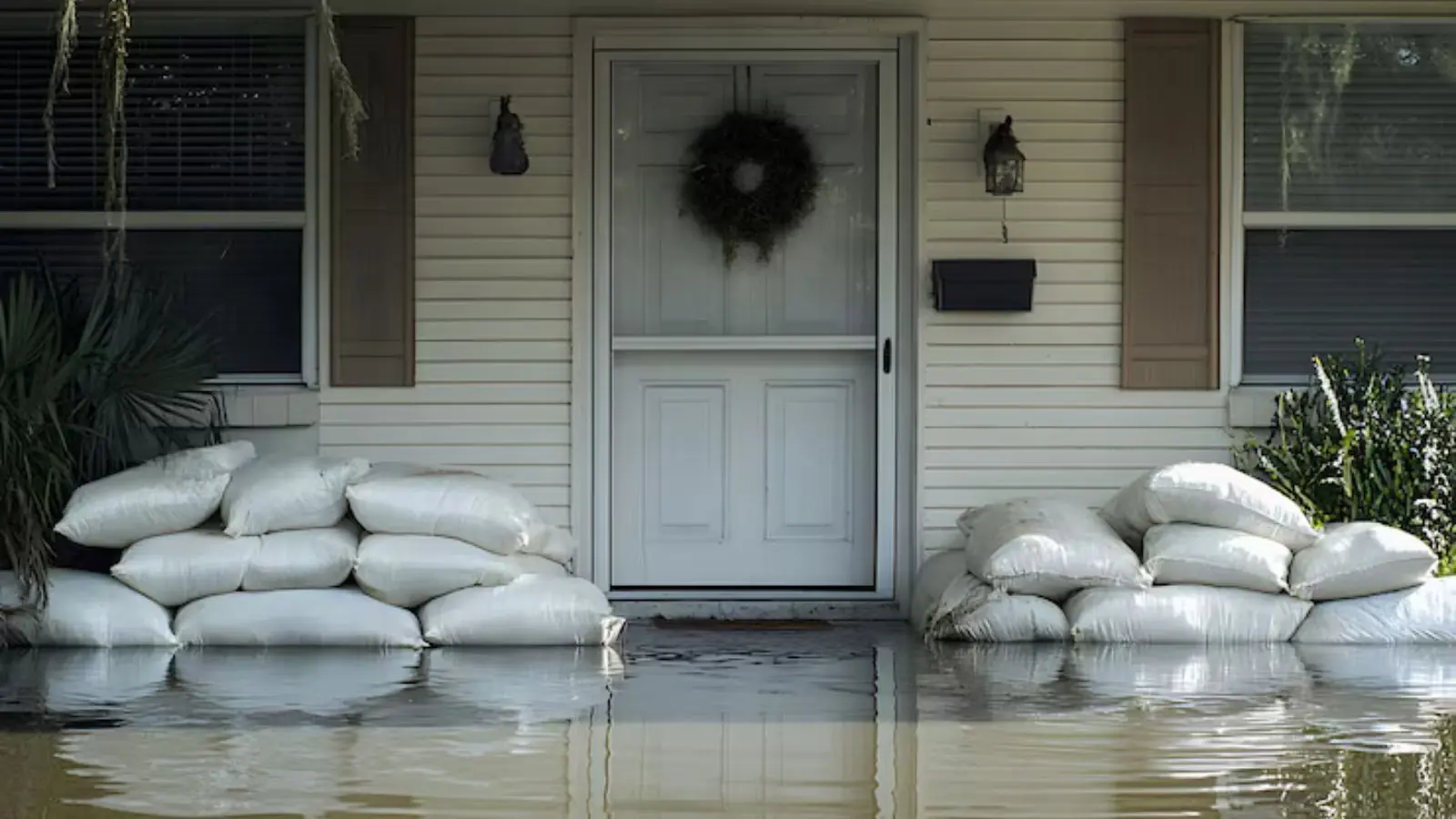
Water was also reported on Ramon Road, Vista Chino at Horizon Road and Landau Boulevard, and NBC Palm Springs showed floodwater near the Panorama area, with crews working knee-deep to clear drains. Fire Station 2 on Desert Vista Road handed out sandbags. Tie-back: sandbags guard doors, but they do not stop water coming up through a slab edge, so check the bottom of every exterior wall.
Varner Road between Edom Hill and Mountain View was temporarily closed for mud removal, and mud cleanup continued on Tortuga and Santoro. We serve Thousand Palms where Varner Road runs. Tie-back: mud on a street usually means mud on a driveway, so rinse it away from the house.
Back in 2019, the Valentine's Day flood kept Cathedral Canyon Drive shut for over a month after the low-water crossing lost its two northbound lanes. City engineers found four or five spots with serious stormwater problems. Tie-back: plan a second route to work and school, and keep your insurance documents in one place.
In October, Vista Chino at the wash was closed in coordination with Palm Springs, so check both sides of a boundary road before you plan a route.
Frequently asked questions
Can I leave mud to dry and sweep it later?
It is better not to. Dried mud holds contamination against surfaces and can seal moisture into carpet or wall bases. Remove it wet when you can, then dry the area with fans and a dehumidifier.
How high should a flood cut be?
Usually a few inches above the highest wet line, found with a moisture meter. If mud wicked up the wall, cutting higher is safer than leaving wet board.
Does my homeowners policy cover storm flooding?
Flood damage is usually excluded from standard homeowners policies and needs separate flood coverage. Wind-driven rain through a roof is a different question. Check your policy and ask your insurer.
What did Cathedral City residents do about water at the door in the October 2026 storm?
Fire Station 2 handed out sandbags and Public Works crews placed barricades on flooded roads. If water reached your door, photograph it, check the bottom of your walls for dampness and have anything that stayed wet checked with a moisture meter.