
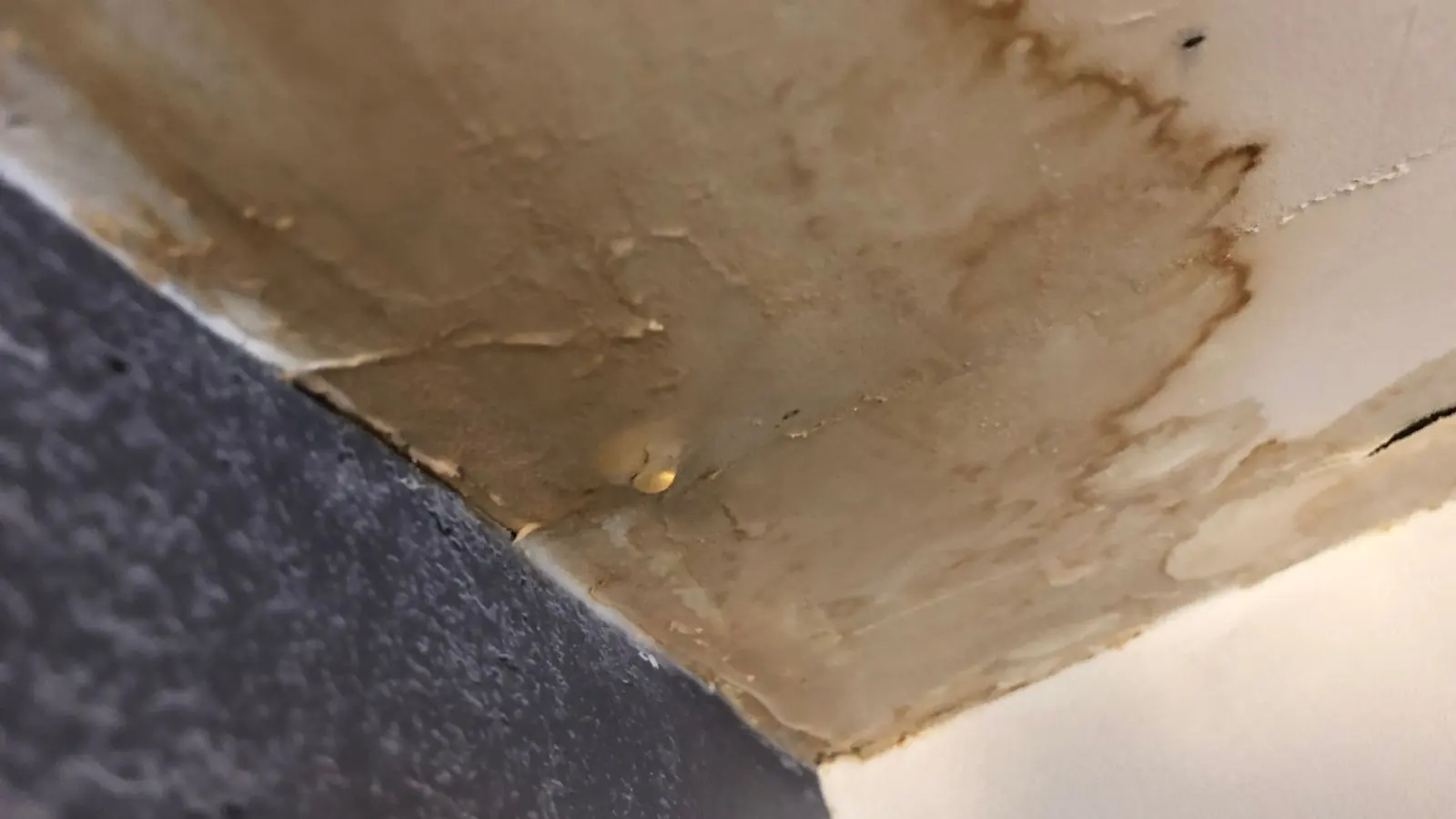
What a real drying job looks like
A good water damage drying company measures first, sets equipment on a plan, records readings every day and removes the equipment only when the materials are dry. A poor one drops fans in the living room and comes back in three days to collect them. The difference shows up in the paperwork you can ask for.
Use the table below on the phone or at the door. Any company that cannot answer these questions plainly has told you something already.
| Ask | A good answer | Warning sign |
|---|---|---|
| Do you map moisture? | Yes, with a meter, across walls, floors and ceilings, with a sketch | Just looks at the wet spots |
| Do you use thermal imaging? | Yes, to find hidden wet areas, then confirm with the meter | Cannot explain what the camera shows |
| Will I get a drying log? | Daily readings in writing, with a dry standard | No logs, or readings only at pickup |
| Where will equipment go? | Placed by room volume and wet area, adjusted daily | Fans dumped and left |
| Do you work to ANSI/IICRC S500? | Yes, and can explain how | Vague or dodging |
| Is scope and price explained first? | Yes, before work starts | Price changes after arrival |
Keep your own notes as well. Write down the date and time the crew arrived, which rooms got equipment and any readings they share. If a problem comes up later, your notes and their log should tell the same story.
Questions about the crew and the standard
ANSI/IICRC S500 is the industry standard for water damage restoration. You cannot judge a crew by the label alone, so ask how their process follows it, such as how they classify the water, set drying goals and document progress. A real answer is specific.
Also ask who will be on site, whether the same people handle daily checks, and how the company reaches you after hours. A 24/7 line matters because water does not wait for business hours, and a morning callback is a late start.
Water still spreading? The emergency line is open 24 hours a day.
Call (760) 769-1159Moisture mapping and thermal imaging
Mapping means taking meter readings on a grid, marking them on a sketch and noting the dry reference reading from an unaffected area. A thermal camera speeds the search by showing cool damp zones behind paint, but a camera shows temperature, not water. The meter confirms.
The map matters because it sets the finish line. Without a dry standard, nobody can say when drying is done.
Equipment placement: air movers and LGR dehumidifiers
Air movers push dry air across wet surfaces, and LGR dehumidifiers pull moisture out of the air so the materials can keep releasing water. Both have to match the space. Too few machines stretch the job, and too many in one room leave another room wet.
A crew should shift machines as the readings change. If your equipment sits in the same position for four days, ask why. For heavy water, emergency water removal with extraction units comes before any drying starts.
Red flags, the drying log and when equipment comes out
Drying has a natural stopping point, and a crew that tells you the date it expects to reach it is easier to hold to a plan. Ask what happens if readings stall, since that may mean a hidden source of moisture, extra equipment or a closer look inside a wall.
The most common complaint about drying work is equipment that arrives, runs and is never checked. If nobody returns to take readings, the crew is renting you fans. Ask who comes back, how often and what they will measure each time.
Other warning signs include a quote that is only a lump sum with no scope, pressure to sign before anyone has measured anything, and tearing out large sections of wall with no readings to justify it. A crew should be able to show the wet reading that justified each cut.
The drying log and when equipment comes out
A drying log lists readings by date and location, the equipment running, and any changes. It tells you the job is moving, and it documents the work if you file a claim. Ask to see it each day, not only at the end.
Equipment should leave when readings reach the dry standard, not when a timer runs out. A crew that cannot name that standard is guessing. Our water mitigation work follows this approach.
Scope, price and the honest limits of drying
Ask for the scope and price in plain terms before work begins. That includes what will be removed, what will be dried in place, how many days are expected, and what happens if readings stall. Changes should be explained before they are made.
Restoration is not waterproofing. Drying brings wet materials back to normal moisture, but it does not seal the roof, replace a failing supply line or stop the next leak. After drying, repairs go through water damage repair, and the source still needs a plumber or roofer.
Cathedral City note: dry desert air does not dry your walls
Desert air feels dry, so many people open the windows and wait. As general trade knowledge, that does not dry wall cavities, subfloors or insulation on its own, because water sits inside the materials where the air barely reaches. Surfaces look dry while the framing behind them stays wet.
The October 11, 2026 storm put more than an inch of rain across most of the valley and standing water on local roads. If water entered your home, ask for moisture readings in the walls and under the floors. Homeowners in Rancho Mirage and Thousand Palms should ask the same.
Frequently asked questions
How long does drying usually take?
It depends on the water category, the materials and the area. The first 24 to 72 hours matter most, and heavily soaked structures can take several days. The drying log, not a calendar, tells you when it is done.
Can I dry the house with my own fans?
Fans help the surface, but they do not pull moisture from wall cavities or subfloors. Without a dehumidifier and meter readings, you cannot know when the materials are dry.
Is a hardware store dehumidifier enough?
For a damp closet, maybe. For a flooded room, a commercial LGR unit removes far more moisture, and a meter confirms the result.
What if the water was sewage or floodwater?
Contaminated water changes the job. Porous materials usually come out instead of being dried in place, and cleanup comes first. See how a crew handles flood damage restoration before you hire.
Can I open the windows and let the desert air dry my Cathedral City home?
Not by itself. Dry outdoor air does not reach inside walls, insulation or subfloors. Take moisture readings in those places, and bring in air movers and dehumidifiers if they are wet.